The right women's insulated jacket doesn't just add a layer — it ends the 3am shivers and the mid-hike cold wall that makes you turn back early. These five picks cover everything from a 7.4 oz synthetic midlayer to a 700-fill down jacket that packs into its own pocket.
| Photo |
Top Pick

|
Versatile

|
Budget

|
Best Value
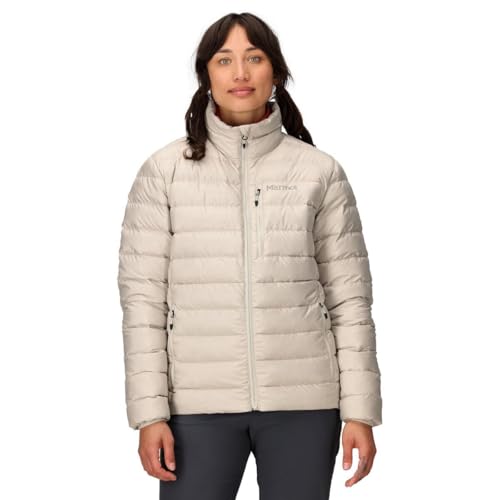
|
Best for Reliability

|
|---|---|---|---|---|---|
| Product | Arc'teryx Atom Hoody Women's Redesign | Patagonia Women's Nano Puff Jacket | The North Face Women's ThermoBall Eco Jacket 2.0 | Marmot Women's Highlander Jacket | Amazon Essentials Women's Packable Puffer Jacket |
| Weight | 7.4 oz | 10.5 oz | 14.1 oz | 12.4 oz | Not specified |
| Insulation | Coreloft Compact 60 synthetic | PrimaLoft Gold 60g synthetic | ThermoBall Eco synthetic (100% recycled) | 700-fill power down | Synthetic polyester fill |
| Waterproof | DWR (PFAS-free) | DWR (PFAS-free) | DWR finish | DWR (Pertex Quantum shell) | Water-resistant nylon shell |
| Stretch panels | ✓ | ✗ | ✗ | ✗ | ✗ |
| Buy Now | Check Price → | Check Price → | Check Price → | Check Price → | Check Price → |
Quick Tips
Layer a synthetic insulated jacket under a waterproof shell on mixed-weather days — synthetic insulation keeps lofting even when moisture gets in from either direction.Check the DWR finish before your first wet hike — factory DWR on most jackets washes out after 5-10 wash cycles and needs reapplication with a spray like Nikwax TX.Direct.For backpacking, weigh your jacket against its packed size, not just its warmth — a jacket you'll actually carry is warmer than a heavy one left in the car.Size up one if you plan to use the jacket primarily as a midlayer over a fleece — most women's insulated jackets are cut trim and won't zip over a thick underlayer at your normal size.
Arc'teryx Atom Hoody Women's Redesign
Best for active hiking and shoulder-season layering
Arc'teryx Atom Hoody Women's Redesign
Best for active hiking and shoulder-season layering
What we like
- Coreloft Compact 60 insulation stays lofted after repeated compression and wet conditions better than most synthetics in this weight range.
- Stretch fleece side panels provide active ventilation on steep uphills without forcing you to unzip and lose core warmth.
- StormHood is insulated and low-profile enough to fit under a helmet or hardshell hood without bulk.
- Trim articulated cut layers cleanly under a rain shell — no bunching at the shoulders or wrist when reaching overhead.
What we don't
- Coreloft Compact 60 is a lighter-weight insulation — not warm enough as a standalone layer below about 25°F without significant activity.
- Price is in premium territory and will feel steep compared to budget synthetic options with similar DWR claims.
- No hood adjustment cord — the StormHood fits most heads well but can't be cinched tight in high wind.
When the trail keeps switching between effort and exposure — a sustained climb followed by a windswept ridgeline — you need insulation that breathes on the way up and stays put on the way down. The Atom Hoody's stretch side panels handle the uphill without turning you into a sweat box, and the Coreloft holds loft through light rain that would flatten cheaper synthetics.
This is the pick if you're logging serious trail miles in variable shoulder-season conditions and want one piece that works as both a midlayer and standalone. If you need something warmer for stationary cold or deep winter, step up to a heavier fill weight.
Patagonia Women's Nano Puff Jacket
Best for packable warmth across three seasons
Patagonia Women's Nano Puff Jacket
Best for packable warmth across three seasons
What we like
- PrimaLoft Gold insulation holds warmth even when saturated — one of the best wet-weather synthetics available in a jacket this light.
- 100% recycled polyester shell and fill for climbers and hikers who care about the supply chain behind their gear.
- Stows into its own chest pocket for a compact travel or pack layer that doesn't take up a stuff sack.
- Wind-blocking shell fabric performs in exposed conditions where softer-shelled jackets lose significant heat to convection.
What we don't
- No stretch panels means it can feel binding across the back when reaching overhead with a loaded pack.
- Sculpted side panels create a trim silhouette that doesn't have much room for a thick base layer underneath.
- Slightly heavier than the Arc'teryx at 10.5 oz, which adds up over multi-day trips where ounces matter.
The Nano Puff has been the benchmark synthetic insulated jacket for a reason — PrimaLoft Gold keeps you warm in conditions where cheaper fills collapse, and the wind-blocking shell stops heat loss that stretch-panel competitors let through in exposed terrain. It's the jacket you grab when the weather isn't cooperating and you need reliability over versatility.
This is for the three-season hiker who wants one insulation layer that works from spring mud season through October snow without needing a dry day to perform. Pass if you're running hot on the uphill and need ventilation — it has none.
The North Face Women's ThermoBall Eco Jacket 2.0
Best for everyday warmth from trail to town
The North Face Women's ThermoBall Eco Jacket 2.0
Best for everyday warmth from trail to town
What we like
- ThermoBall Eco clusters mimic down loft in a synthetic fill that holds warmth when wet and dries faster than any real down.
- Stows into its own hand pocket — keeps it from taking up gear space in a daypack when temperatures swing mid-hike.
- 100% recycled shell and fill, certified to bluesign standards — one of the more transparent sustainable supply chains at this price point.
- Slim cut sits close to the body without the binding shoulders that plague some competitor synthetic jackets at similar fill weights.
What we don't
- ThermoBall clusters can compress over time and develop cold spots — more frequent with heavy pack use than with panel-insulated competitors.
- At 14.1 oz it's heavier than both the Atom and Nano Puff, which shows on long trips where base weight adds up.
- DWR finish is standard and will need re-treatment sooner than fluorinated coatings — roughly after 5-10 washes.
The ThermoBall Eco 2.0 hits a price point where you're getting legitimate technical insulation without paying premium-brand prices — and it packs small enough to toss in a daypack for unpredictable afternoons. The fill is warmer than it has any right to be for the cost, and the slim fit makes it genuinely trail-to-town wearable.
This is the right call if you want one jacket that works for casual hiking, camping evenings, and cold commutes without looking like you brought your camp kit to work. Skip it if you're counting grams on a serious backpacking setup — it's heavier than the competition above it.
Marmot Women's Highlander Jacket
Best for cold basecamp and deep-winter layering
Marmot Women's Highlander Jacket
Best for cold basecamp and deep-winter layering
What we like
- 700-fill down delivers significantly more warmth-per-ounce than any synthetic in this roundup — the right tool for genuinely cold conditions.
- Pertex Quantum shell is windproof and tightly woven enough to stop convective heat loss on exposed ridgelines better than softer-shell synthetic jackets.
- Packs down small into its own pocket — surprisingly compact for a jacket with real down fill and a bomber shell fabric.
- Elastic cuffs seal heat at the wrists without requiring velcro adjustments that catch and pill over the life of the jacket.
What we don't
- Real down loses loft quickly when wet — not the right choice if you're hiking in coastal or frequently rainy environments without a waterproof shell on top.
- No stretch panels make this a stationary warmth layer first and a movement jacket second — you'll notice it on steep terrain.
- Fill clusters can shift and create cold spots if the jacket gets packed wet repeatedly without fully drying between uses.
If your cold problem is sitting still at a cold basecamp, standing on a winter summit, or trying to sleep warm in a shelter that isn't rated for the temperature — 700-fill down beats synthetics at this weight class every time. The Pertex Quantum shell blocks wind that softer puffers let pass straight through.
This is for the hunter, car camper, or ski day hiker who stays mostly stationary in the cold and needs maximum warmth rather than maximum breathability. If you're doing sustained aerobic hiking in wet weather, stay synthetic.
Amazon Essentials Women's Packable Puffer Jacket
Best for casual hiking and budget-first buyers
Amazon Essentials Women's Packable Puffer Jacket
Best for casual hiking and budget-first buyers
What we like
- Water-resistant nylon shell handles light rain and wind at a price point where most competitors use cheaper polyester that soaks through immediately.
- Packs into an included stuff bag — adds real utility for day hikers who want a stow-able warmth layer without paying $150+ for packability.
- Elastic cuffs and zippered hand pockets are well-executed for the price — no loose threads or failed stitching that plagues cheap puffer jackets.
- Available in extended sizing with consistent fit across the size range — harder to find at this price in the technical outdoor category.
What we don't
- No listed fill weight or insulation spec — warmth is moderate and won't cut it below about 35°F as a standalone outer layer.
- No stretch panels or articulated cut — you'll feel it binding across the shoulders with a loaded pack or on technical trail.
- DWR equivalent is light and won't hold up to sustained precipitation the way a technical shell fabric would.
For casual day hikes, fall dog walks, and light camping where you need a packable layer but can't justify spending $150+ on insulation you'll use three weekends a year — this jacket does the actual job. The nylon shell handles light rain better than the price implies, and it packs small enough to forget it's in your bag until you need it.
This is the right pick if you're new to outdoor gear, hiking on a tight budget, or want a beater layer that can get muddy and wet without ruining a premium investment. It won't keep you warm below freezing or replace a technical midlayer for real alpine use.
What to Look For
Insulation type determines everything about how the jacket will perform in real conditions. Synthetic fills (PrimaLoft, ThermoBall, Coreloft) stay warm when wet and dry faster — the right choice for hiking in unpredictable weather or rainy climates.
Down fill power (600–900) tells you warmth per ounce — higher numbers mean lighter and more compressible, but real-world performance drops significantly when the down gets wet. If you're hiking in the Cascades or anywhere with frequent moisture, a water-resistant or hydrophobic down treatment matters as much as the fill rating.
Stretch panels and articulated patterning separate hiking jackets from street puffers. Look for fleece or stretch fabric under the arms — it's the single biggest indicator that a jacket was designed for movement, not just warmth.
Who Should Skip This
If you're looking for a fully waterproof outer shell, none of these are it — insulated jackets are warmth layers, not rain jackets, and the DWR finish handles only light moisture. Ski touring or ice climbing demands beefier burly hardshell options.
And if your primary goal is ultra-minimalist ultralight backpacking, a fleece or lightweight wind shirt may deliver better warmth-to-weight at even lower pack volume.
What the Community Actually Uses
On r/femalehikers and r/GirlsWhoHike, the debate between synthetic and down insulation never really ends — but the consistent advice is to default to synthetic if you hike in the Pacific Northwest or anywhere that gets frequent rain. Veteran members regularly flag that a $150 synthetic jacket that stays warm wet will outperform a $400 down piece the moment conditions turn damp.
Quick Picks — In Case You've Already Decided
Frequently Asked Questions
What's the difference between a synthetic and down insulated jacket for hiking?
Synthetic insulation (PrimaLoft, ThermoBall, Coreloft) retains warmth even when wet and dries faster — better for rainy or humid conditions. Down insulation is lighter and more compressible per unit of warmth, but loses its insulating ability when wet unless it has a hydrophobic treatment.
Can I use an insulated jacket as my only layer on a winter hike?
In mild winter conditions (above 20°F), a midweight insulated jacket can work as an outer layer during low-output activities like rest stops or summit hangs. For sustained cold, wind, or precipitation, you'll want a waterproof shell on top.
How do I know if an insulated jacket will fit properly as a midlayer?
Try it on over a midweight fleece in the store or order a size up if buying online for layering use. Trim-fit jackets like the Arc'teryx Atom are designed to layer under a shell; puffier styles like the Columbia Heavenly run roomier and are less ideal under a tight-fitting outer.
Does fill power matter more than insulation weight?
Fill power tells you warmth-per-ounce efficiency — higher fill power means more warmth for less weight. Insulation weight (in grams) tells you the total amount of fill used. A 700-fill jacket with 150g of down will be warmer than a 700-fill jacket with 60g, even with identical fill power.
How should I wash an insulated jacket without ruining it?
Machine wash on cold/delicate with a technical gear detergent like Nikwax Down Wash or Tech Wash. Dry on low heat with two or three clean tennis balls to break up clumped insulation — especially critical for down jackets. Never dry clean.
Buying Guide
You need to match insulation type to how you'll use it. Synthetic fills like PrimaLoft warm you even when wet — critical for shoulder-season hiking and wet climates.
Down fills pack smaller and warm better per ounce but suffer when damp. If you run hot on the uphill, prioritize stretch panels and breathability over raw warmth rating.