When temperatures drop below freezing and every other tent turns into a cold coffin, a hot tent with a wood stove is the difference between suffering and genuinely enjoying winter camping. You've probably huddled in a cold tent wondering why you came — a hot tent eliminates that entirely.
A 2 person hot tent with a stove jack lets you run a small wood-burning stove inside safely, heating your shelter to comfortable temperatures even when it's -20°F outside. This guide covers the best options on the market right now so you can find the right shelter before the season hits.
| Photo |
Top Pick
|
Versatile

|
Budget

|
Best Value

|
Best for Reliability

|
|---|---|---|---|---|---|
| Product | OneTigris Smokey HUT Ultralight Hot Tent | POMOLY Hussar Plus 2.0 | POMOLY Chalet 70 Pro | POMOLY STOVEHUT 70 3.0 Hot Tent | OneTigris APEX Trail Teepee Tent |
| Weight | 2.6 lbs | — | — | — | — |
| Capacity | 1-2 person | 2-3 person | 2-3 person | — | 2 person |
| Waterproof | — | — | — | 2500mm PU | — |
| Material | 20D SIL-Nylon | 70D Plaid Ripstop | Silica gel + glass fiber | 70D Ripstop Polyester | — |
| Buy Now | Check Price → | Check Price → | Check Price → | Check Price → | Check Price → |
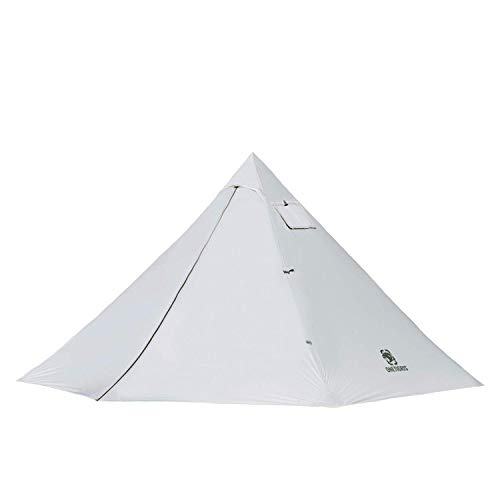
OneTigris Smokey HUT
Top Pick for Ultralight Hot Tenting
OneTigris Smokey HUT
Best Ultralight Hot Tent for 2-Person Backpacking
What we like
- 2.6 lbs — lightest hot tent on this list by a significant margin
- 20D silicon-coated nylon — more durable than heavier alternatives
- Pre-installed stove jack with top vent for airflow control
- YKK zippers and 7075 aluminum pole — premium components at mid-range price
- Snow skirt and detachable floor included for true 4-season use
What we don't
- Tipi shape means limited headroom at the edges
- Snug for two people with a stove inside — more comfortable for one
- Center pole can interrupt living space
The OneTigris Smokey HUT is what serious winter backpackers reach for when they need a hot tent they can actually carry to a remote location. At 2.6 pounds, it weighs less than most 3-season backpacking tents — the fact that it also supports a wood stove is remarkable.
The 20D silicon-coated nylon is counterintuitively more durable than heavier canvas or polyester options: it's tear-resistant, water-repellent, and doesn't absorb moisture that adds weight over multi-day trips. The pre-installed stove jack is positioned correctly for chimney pipe routing, and the top vent lets you control airflow to manage condensation — a critical detail that cheaper hot tents miss entirely.
With a stove running, you can maintain comfortable interior temps even in serious sub-zero conditions. The snow skirt seals the base against drafts and drifting snow, and the detachable floor gives you the option of leaving it behind to save weight on shoulder-season trips.
Two people can sleep in this tent with a small stove, but it's genuinely comfortable for one. If you're going with a partner, expect to position the stove carefully and keep gear in vestibule space.
For solo winter adventurers or couples who prioritize carry weight above all, nothing on this list beats the Smokey HUT's weight-to-performance ratio.
POMOLY Hussar Plus 2.0
Best Tipi Hot Tent for 2 People
POMOLY Hussar Plus 2.0
Best Tipi Design for Genuine 2-Person Comfort
What we like
- 28mm aluminum alloy pole — significantly stronger than original 25mm iron pole
- Detachable stove jack with high-temp resistant material
- Half inner tent keeps sleeping area insect-free and separated from stove
- 70D ripstop fabric balances durability and weight well
- Removable top cap for ventilation control
What we don't
- Heavier than the Smokey HUT for backpacking use
- Stove jack requires DIY cutting to match your pipe diameter
- Tipi shape limits usable floor space near edges
The POMOLY Hussar Plus 2.0 is a meaningful upgrade over the original Hussar — the pole upgrade from 25mm iron to 28mm aluminum alloy alone justifies the version bump. That pole change makes a real difference in high-wind conditions where iron poles flex and can fail, while the aluminum holds its shape and returns after load.
The detachable stove jack with improved high-temperature material is another genuine improvement over the original's fixed, lower-rated jack. The half inner tent is what makes this genuinely livable for two people.
You sleep inside the inner tent, the stove sits outside it in the main tipi space, and you open the inner tent door to add wood without exposing yourself to outside air. That separation of sleeping zone from stove zone is the key design feature that separates properly designed hot tents from ones that just have a hole in the top for a pipe.
The removable top cap gives you real ventilation control. When the stove is running hot, you open the cap to let warm air escape and draw fresh air in.
When you're sleeping and the stove burns low, you close it to retain heat. It's a simple system that works well in practice and makes a significant difference in interior comfort during extended cold-weather use.
POMOLY Chalet 70 Pro
Best Cabin-Style Hot Tent
POMOLY Chalet 70 Pro
Best Cabin-Style Hot Tent for Basecamp Use
What we like
- Vertical walls create real standing room and livable interior space
- Integrated dual-zone floor — fireproof in stove area, waterproof in sleeping area
- Adjustable stove jack fits multiple pipe diameters with Velcro replacement system
- Lantern hook and bottom vents with zipper control
- Cabin shape feels like a real shelter rather than a survival tent
What we don't
- Heavier than tipi designs — not practical for backpacking
- Two-pole structure takes longer to pitch than a single-pole tipi
- Premium price compared to tipi alternatives
The POMOLY Chalet 70 Pro is a fundamentally different hot tent experience from the tipi designs on this list. The cabin shape with vertical walls means you can actually stand up, move around, and use the space like a small shelter rather than crouching to avoid the sloping walls of a tipi.
For basecamp use — setting up for multiple nights in one location — this spatial difference becomes significant over time. The integrated dual-zone floor is a genuinely smart design.
The stove sits on a fireproof material ground sheet, and your sleeping area has a separate waterproof sheet. Most hot tents leave you to manage ground protection yourself.
Having it integrated and purpose-made for each zone removes a setup variable and reduces fire risk. The Velcro-replacement stove jack system also means if the jack wears out from heat cycles, you replace just that component rather than the whole tent.
The weight and two-pole setup make this a car camping and snowmobile-access shelter rather than a backpacking tent. But if you're driving or riding to your winter camp location and want to spend multiple nights in real comfort with a wood stove, the Chalet 70 Pro's cabin livability is unmatched at this price point.
POMOLY STOVEHUT 70 3.0
Best Tarp-Style Hot Shelter
POMOLY STOVEHUT 70 3.0
Best Budget Hot Shelter for Trekking Pole Setup
What we like
- Sets up with trekking poles you already carry — no extra pole weight
- Fireproof ground sheet included for stove area
- Open tarp design allows cooking while enjoying the outdoor view
- Most affordable hot shelter on this list
- Versatile — works as a tarp in warmer weather without the stove
What we don't
- DIY stove jack requires cutting — not pre-installed
- Less enclosed than tipi designs — more heat loss in extreme cold
- Open design means insects and wind can enter more easily
The POMOLY STOVEHUT 70 3.0 takes a different approach from every other tent on this list — it's a tarp-style shelter that uses your existing trekking poles for structure. If you're already carrying trekking poles for winter hiking, you're essentially getting a hot tent shelter for the weight of the fabric alone.
That's a compelling trade-off for backpackers who resent carrying dedicated tent poles into the backcountry. The open-front design means you can sit inside by the stove and still see the winter landscape outside — a genuinely enjoyable experience that enclosed tipi tents can't match.
You can also use it as a cooking shelter or open-air windbreak in shoulder season when you don't need full enclosure. The versatility across conditions is real, not marketing language.
The trade-off is thermal efficiency. An enclosed tipi or cabin tent retains heat far better than this open design, which means your stove has to work harder in extreme cold.
For temperatures above 10°F with a good stove, the STOVEHUT 70 is comfortable. Below that, the enclosed designs on this list are better choices.
At its price point though, it's the most accessible entry into hot tent camping available.
OneTigris APEX Trail Teepee
Best Hot Tent for Bikepacking
OneTigris APEX Trail Teepee
Best Hot Tent for Bikepacking and Fast Travel
What we like
- A-frame pole system maximizes usable floor space with no center pole obstruction
- Low-profile design handles wind better than tall tipi shapes
- Pre-installed stove jack — no DIY cutting required
- Designed specifically for bikepacking and multi-modal travel
- Waterproof and windproof rated for genuine 4-season use
What we don't
- Newer product with less long-term community feedback than POMOLY or Smokey HUT
- A-frame poles add more packed bulk than a single center pole setup
- Tight for two people with stove and full winter gear
The OneTigris APEX Trail Teepee solves the center pole problem that plagues most tipi hot tents. A center pole runs through the middle of your living space and forces you to position your stove and sleeping areas around an immovable obstruction.
The APEX Trail's A-frame pole system moves the structural support to the sides, freeing the entire interior floor for stove placement, sleeping, and movement. The low-profile design is a real advantage in winter conditions where wind is often a bigger threat than cold.
Tall tipi designs catch wind loads that stress guy-lines and stakes. The APEX Trail's lower silhouette sheds wind more effectively, which means better structural stability in the exposed conditions where you're most likely to be using a hot tent.
For bikepacking and multi-modal winter travel where you might be camping in exposed terrain, that stability difference matters. Two people fit in this tent with a small stove, though it's genuinely cozy rather than spacious.
The pre-installed stove jack is a quality-of-life improvement over DIY systems — you route your chimney pipe through a properly rated opening rather than cutting fabric and hoping your heat-resistant material is actually what it claims to be. As a newer OneTigris product, community testing is still building, but the brand's track record with the Smokey HUT gives confidence in the build quality.
What to Look For in a 2 Person Hot Tent
The stove jack is the most critical component in any hot tent and the area where quality varies most dramatically. A properly rated stove jack uses silicone or high-temperature resistant fabric around the chimney pipe opening, has a secure seal that prevents sparks from entering the tent, and is positioned at the correct angle for your pipe routing.
DIY stove jacks that require you to cut the tent fabric are common in budget options — they work, but the quality of the heat-resistant material varies. Pre-installed jacks from established brands like OneTigris and POMOLY are generally more reliable.
Tent shape determines your interior livability as much as stated dimensions. Tipi designs concentrate space in the center and taper at the edges — great for heat retention but limiting for two people with gear and a stove.
Cabin-style tents with vertical walls use space more efficiently for living, at the cost of more packed bulk and longer setup. A-frame designs eliminate the center pole obstruction at the cost of slightly more complex pole geometry.
There's no universally correct answer — it depends on whether you're backpacking to your campsite or driving. Ventilation is non-negotiable for safety when running a wood stove inside a tent.
Carbon monoxide builds up quickly in enclosed spaces with poor airflow. Every hot tent on this list has a top vent or removable cap for this reason.
Never seal a hot tent completely with a stove running — always leave the top vent open and crack a door or ground vent to ensure continuous fresh air circulation. This isn't optional advice: it's the difference between a comfortable night and a dangerous one.
Who Should Skip Hot Tents
If you're camping in temperatures above freezing or doing summer backpacking, a hot tent is unnecessary weight and complexity. A quality 3-season tent handles moderate cold perfectly well without the stove jack, fire safety considerations, and extra logistics of carrying and fueling a wood stove.
Hot tents earn their place below 20°F on multi-night trips where a cold tent would make the experience genuinely miserable. For fall camping above freezing, a good sleeping bag and insulated pad is a simpler solution.
Quick Picks — In Case You've Already Decided
Frequently Asked Questions
Is it safe to use a wood stove inside a tent?
Yes, if you use a tent specifically designed with a stove jack and maintain proper ventilation. Never use a stove in a tent without a stove jack. Always keep the top vent open when the stove is running, carry a carbon monoxide detector, and never fully seal the tent. Wood stoves produce CO — adequate airflow is not optional.
What size wood stove works in a 2 person hot tent?
For a 2 person hot tent, a mini titanium stove in the 3-4 pound range is typically appropriate. Common compatible options include the POMOLY FireOne and similar compact titanium wood stoves. Larger stoves designed for wall tents or canvas shelters generate more heat than a small tent needs and create a greater fire risk.
How cold can you camp in a hot tent?
With a properly sized wood stove and good technique, hot tents are comfortable down to -20°F or colder. The limiting factor is typically fuel supply rather than the tent itself. On multi-day trips in extreme cold, plan for significantly more firewood than you expect to need — cold weather increases consumption and you want reserve fuel.
Do I need a carbon monoxide detector in a hot tent?
Yes — this is strongly recommended by the entire hot tenting community. A small battery-powered CO detector adds minimal weight and provides critical early warning if ventilation becomes inadequate. Position it at sleeping level since CO is slightly lighter than air. This is considered standard safety equipment, not optional.
Can I use a hot tent in three seasons, not just winter?
Absolutely. Hot tents work in any season — you simply don't run the stove in warm weather, and the stove jack opening can be sealed or covered. In shoulder season, a small fire on cold nights makes these tents extremely comfortable. The tipi and cabin shapes also provide excellent rain protection year-round regardless of stove use.
What r/WinterCamping and r/bushcraft Actually Use
Community consensus on r/WinterCamping and r/bushcraft consistently points to the OneTigris Smokey HUT as the entry point recommendation for ultralight hot tenting — it comes up in nearly every "what hot tent should I start with" thread. POMOLY products appear frequently as the step-up choice for campers who want more space and more refined stove jack systems. The r/bushcraft community emphasizes carbon monoxide safety consistently: every hot tent thread includes reminders about ventilation, CO detectors, and never fully sealing the tent. The advice that appears most reliably: practice your stove setup at home before taking it into a backcountry winter environment where mistakes are harder to recover from.